
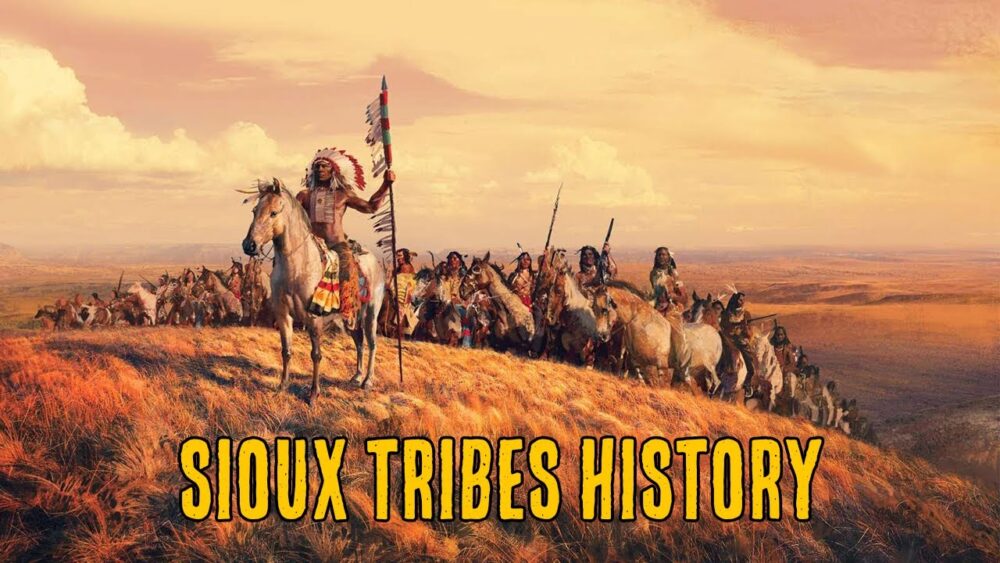
Unveiling the Rich History of the Sioux Tribes: Lakota, Dakota, and Nakota
The Sioux tribes are among the largest and oldest Native American groups, with roots extending back 2,000 to 3,000 years. At their height, their territory encompassed thousands of square miles. The origins of the Sioux trace back to the central Mississippi Valley and later into Minnesota, evolving into what they are today as the seven council fires, representing key bands unified by kinship and dialect.
As the Sioux evolved, the three largest factions emerged: the Lakota, Nakota, and Dakota. These divisions also represent the languages spoken within the Sioux nation, with translations reflecting camaraderie among tribes. Respect for all living things is a cornerstone of Sioux beliefs, fostering a spiritual connection with nature and an understanding of their place within the universe.
-
Original price was: $19.95.$9.95Current price is: $9.95.Select options This product has multiple variants. The options may be chosen on the product page




Before the 1600s, the Dakota primarily inhabited areas around Lake Superior, developing a lifestyle centered around hunting and gathering. However, increasing conflict with the Ojibwa tribe prompted the Dakota to migrate further into present-day southern and western Minnesota. Meanwhile, the Lakota and Nakota transitioned to a nomadic lifestyle focused on buffalo hunting, abandoning agriculture for a life that reflected the broader customs of neighboring plains tribes.
The Sioux’s community-centered way of life revolved around extended families and a shared identity. Men and women had distinct roles, from responsibilities in hunting and tool-making to gathering food and caring for the household. This division of labor fostered deep community ties and a strong sense of belonging within Sioux camps, with elders playing pivotal roles in nurturing the next generation.




The relationship between the Sioux and their neighboring tribes, particularly the Ojibwa, fluctuated between alliances and conflicts over the years. Early trade relationships gave way to warfare sparked by territorial disputes fueled by outside influences. This complicated history led to significant battles that altered the Sioux’s territorial claims, pushing them further west as they defended their lands against encroaching settlers and traders.
In the mid-19th century, increasing encroachment by settlers led the Sioux to resist further losses of their territory. Conflicts escalated dramatically, culminating in brutal confrontations with military forces. The legacy of these struggles continues to echo in the history of the Sioux tribes, illustrating their resilience amidst persistent challenges to their sovereignty and way of life.