
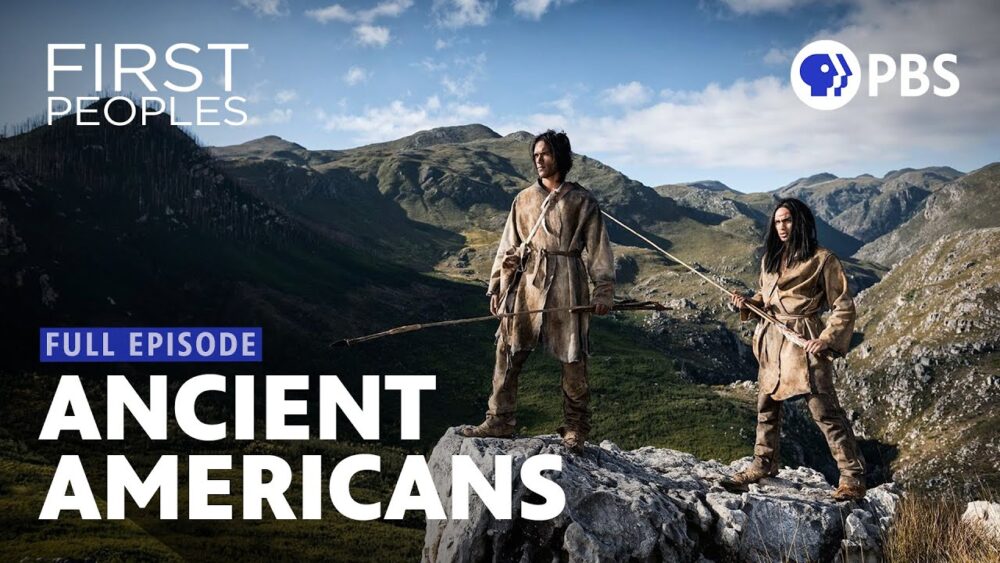
Uncovering the Mysteries of the First Peoples: How Ancient Tribes Settled the Americas
Around 200,000 years ago, Homo sapiens emerged in Africa, marking the beginning of our evolutionary journey. Today, our population has grown to 7 billion across the globe. The story of how modern humans migrated from Africa through various continents to finally arrive in America remains one of archaeology’s great mysteries, posing questions about who first set foot on American soil and how they managed this monumental feat.
Recent archaeological findings in the Yucatán Peninsula showcase a significant discovery: Eva, believed to be the first American, lived approximately 13,500 years ago as a hunter-gatherer. Her remains, found in a complex cave system underwater, provide crucial evidence about early human life in North America. The burial practices surrounding Eva suggest a deep-rooted spirituality, indicating that even prehistoric humans had rituals concerning death.




The remains found in the Yucatán point to a much earlier arrival of humans in the Americas than previously thought, complicating the long-held belief that the first Americans entered through Siberia, crossing a land bridge connected to present-day Alaska. The caves that housed Eva were once dry, making them accessible for burial ceremonies during the Ice Age when sea levels were significantly lower. The team of Mexican archaeologists, led by Arturo Gonzalez, has identified Eva as a pivotal find in understanding early human migration and rituals.
As glaciers melted and landscapes transformed, an ice-free corridor opened around 13,000 years ago, allowing groups to migrate southward into the now United States. Evidence of this migration includes unique boulders known as ‘erratics’ scattered across the plains, which help trace the paths of the first peoples. These early Americans, often referred to as Clovis people due to their distinctive stone tools, thrived in a wilderness teeming with large Ice Age animals.




Archaeologists believe Clovis people used simple yet effective techniques to hunt massive game like the Columbian mammoth, crucial for their survival. Their sophisticated tool-making skills, demonstrated by artifacts such as Clovis points, showcase their adaptability and ingenuity as they navigated unfamiliar terrains. Excavations of various sites suggest they formed small groups to maximize hunting efficiency and gather resources from their surroundings.
However, discoveries like Eva’s skeleton challenge the established timeline, prompting experts to reconsider the migration history of the Americas. Questions remain about what drove ancient tribes to explore vast landscapes and uncover new resources. These findings not only illustrate the resilience and spirit of early humans but also underscore the complexity of early American history that continues to be unveiled.