
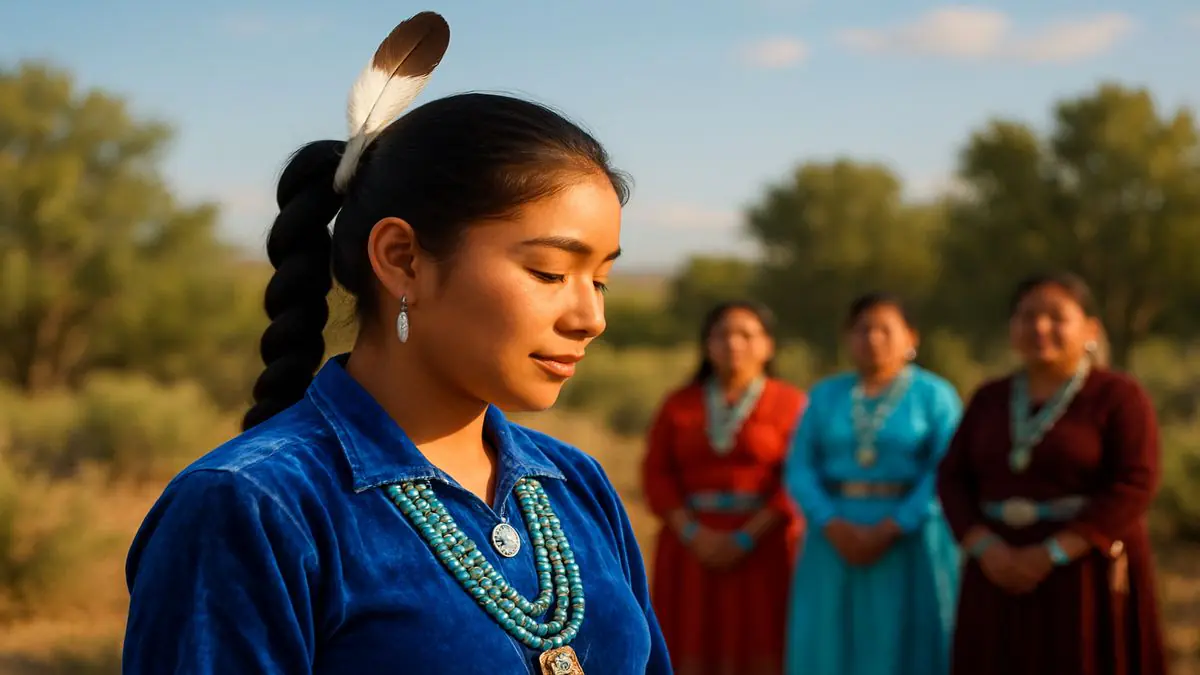
A Ceremony of Transformation and Community
Imagine marking a major life milestone with an event that has woven together the threads of tradition for over a thousand years. This is the essence of Kinaaldá, a sacred coming-of-age ceremony for young Navajo women. For the Navajo, or Diné, this event is not just a rite of passage but a powerful celebration of life, fertility, and community.




Performed as the girl reaches puberty, Kinaaldá transforms the transition into womanhood into a joyful gathering of family, culture, and tradition. It is a vivid reminder of the shared histories and values that bind the Navajo people together.
The Legend of Changing Woman
Kinaaldá has deep spiritual roots connected to the deity Changing Woman, a central figure in Navajo mythology. According to legend, Changing Woman matures rapidly from infancy to adulthood and brings fertility and renewal to the world. Her story sets the groundwork for the Kinaaldá ceremony, which serves as a bridge between the divine and the earthly.



The girl undergoing the ceremony is revered as an embodiment of Changing Woman. This belief imbues the event with sacredness, emphasizing the new status and responsibilities she will now hold within the community. Each Kinaaldá is thus not only a personal milestone but a collective reaffirmation of cultural identity and continuity.
Four Days of Rituals and Celebration
The Kinaaldá traditionally spans four days, mirroring the creation stories in Navajo cosmology. Each day carries unique rituals and activities that help prepare the girl, known as the alch’į́įdii, for her new stage in life. It’s an immersive experience filled with symbolic acts and communal participation.
- Preparation: Before the ceremony begins, family members gather to support the girl in activities such as grinding corn—a symbol of feminine strength and future fertility.
- Running: The act of running is central to the ceremony. The girl runs towards the east, symbolizing the dawn of her new life, and continues to run each morning to build perseverance and resilience.
- Physical Transformation: A characteristic element includes molding the girl’s body, especially her arms and legs, by female relatives. This is believed to ensure a strong and healthy future.
- Alk’ééd Daa’ʼamá: The girl prepares a special cake made of cornmeal, which is baked in the ground. The cake represents the life cycle and the significance of womanhood in the Navajo worldview.
Community and Continuity
The beauty of Kinaaldá lies not just in the rituals themselves, but in the communal fabric it weaves. It’s a family affair, engaging extended family, friends, and community members who come together to support and celebrate.
During the ceremony, everyone involved plays a role, whether as a mentor, provider, or supporter. This shared participation reinforces social bonds and passes cultural knowledge from one generation to the next, ensuring that the community thrives together.
Walking the Path to Modernity
Like many Indigenous traditions, Kinaaldá has not been immune to outside pressures and changes. Yet, the ceremony thrives, adapting while maintaining its core values. Families today may integrate modern elements or adjust to logistical needs, but the heart of Kinaaldá persists.
This resilience speaks to its profound cultural significance. In some cases, families choose to blend traditional elements with contemporary practices, crafting a personalized ceremony that respects both the past and the present. This adaptability ensures that Kinaaldá remains relevant and cherished.
Reflecting on the Power of Tradition
The Kinaaldá ceremony is a celebration that reveres the power of women and the strength of community bonds. It’s a testament to the enduring vitality of the Navajo’s cultural practices, even amidst change. As the young woman steps into her new role, she carries with her not just the hopes and dreams of her family, but the wisdom of ages and a legacy of resilience.
In celebrating Kinaaldá, the Navajo people reaffirm their identity, their values, and their connection to the world around them. It’s a remarkable testimony to the enduring nature of tradition—a bridge between yesterday and tomorrow, and a beacon of cultural strength.