How the Horse Revolutionized Tribal Lifestyles: From Farming Roots to Nomadic Freedom
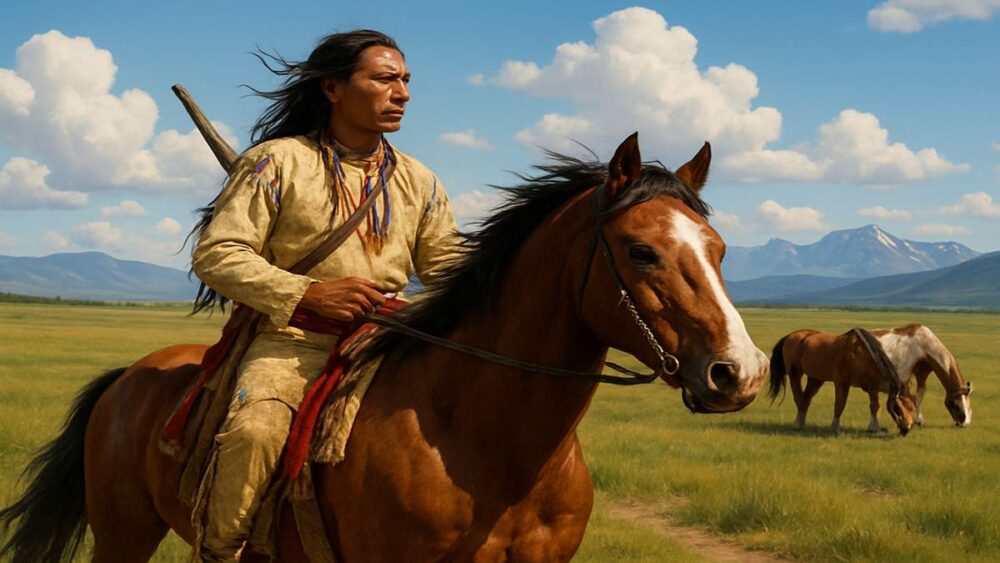
Did you know that the horse was once as foreign to the Americas as the car was to the 20th century? Today, it’s nearly impossible to imagine the Great Plains without envisioning galloping mustangs and the skilled riders of the Plains tribes. But it wasn’t always this way. The arrival of the horse brought profound changes to Indigenous societies across North America, turning previously settled communities into the masters of freedom and mobility.
The Horse Arrives
Long before horses galloped freely across the plains, they had to first make the journey to the Americas with Spanish explorers in the early 1500s. Initially, these creatures were alien to the Indigenous peoples. But their allure was undeniable. They offered speed and a new form of power that no other animal could match. Horses made their way into the trade networks and soon became more valuable than the finest furs or the heaviest loads of buffalo hides.


From Farming to Raiding
Before horses, many Indigenous peoples were settled agriculturalists. They relied mainly on the crops they grew and supplemented their diets with hunting. With the horse came the ability to travel farther, faster, and with more ease. This new mode of living led to significant changes. The capacity to raid enemy territories for resources became easier, and many tribes did just that, shifting focus from farming to raiding and hunting.
A New Way of Life on the Plains
On the vast open plains, horses became central to everyday life. They transformed how tribes like the Lakota, Cheyenne, and Comanche interacted with their environment. The ability to hunt buffalo with unparalleled efficiency became a cornerstone of their economies and diets. With their swift move into a nomadic lifestyle, these tribes dramatically altered their social structures, economies, and even art.
-
Original price was: $19.95.$9.95Current price is: $9.95.Select options This product has multiple variants. The options may be chosen on the product page
-
Original price was: $49.95.$29.95Current price is: $29.95.Select options This product has multiple variants. The options may be chosen on the product page



The Cultural Bond
The horse was not just a tool; it became a part of tribal identity. It was a sign of wealth and status. The skills related to horseback riding became both an art and a right of passage. Young boys would learn to ride almost before they could walk, and tribes were known to immortalize exceptional horses and riders in songs and stories. Horses inspired new styles of clothing and intricate beadwork, celebrating both horse and rider.
Communities in Motion
With horses, tribes could move their villages with the seasons or in response to threats. This ability to relocate rapidly wasn’t merely about escape or pursuit; it was a strategic advantage. Horses meant that communities could settle where resources were best, avoiding depleted grounds or encroaching enemies.
Exchange and Expansion
Thanks to the horse, trade routes expanded. Goods, stories, and technologies raced across the plains as never before. Tribes became interconnected in ways that transformed the landscape of the Great Plains. The Blackfoot in the north, for example, traded buffalo products and European goods, reaching as far as today’s Canadian provinces.
The Push and Pull of Power
Of course, this horse-fueled power came with its own set of challenges. Territorial disputes intensified, and warfare evolved. Horses ran beneath warriors in battle, offering speed and agility in conflicts that became more complex and widespread. Tribes needed to adapt not just to their environment but to the shifting dynamics between competing nations.
The Impact on Environment
With every force of change comes a cost. The sheer number of horses required vast amounts of forage, impacting local environments. Tribes had to rethink how they used the land to ensure that they could sustain their herds year-round. These horses, as magical and transformative as they were, were not without their own set of needs and demands.
An Emblem of Freedom and Identity
Ultimately, the horse became more than just a physical presence. It was a symbol of resistance and a vessel of cultural memory that has carried forward to this day. The story of the horse doesn’t just end on the plains but continues to be an emblem of resilience and autonomy, a testament to the adaptability and ingenuity of the tribes who embraced it.
The next time you think of a thundering herd across the plains, remember it’s not just a majestic image but a vivid reminder of how a single animal can inspire sweeping change on an entire continent. It was a change not merely of lifestyle but of spirit, a deeper connection to the land and skies above—and a gallop toward what it truly means to be free.
-
Original price was: $49.95.$29.95Current price is: $29.95.Select options This product has multiple variants. The options may be chosen on the product page