Discovering the Bison Era: Ingenious Ways Plains Indians Utilized the American Buffalo
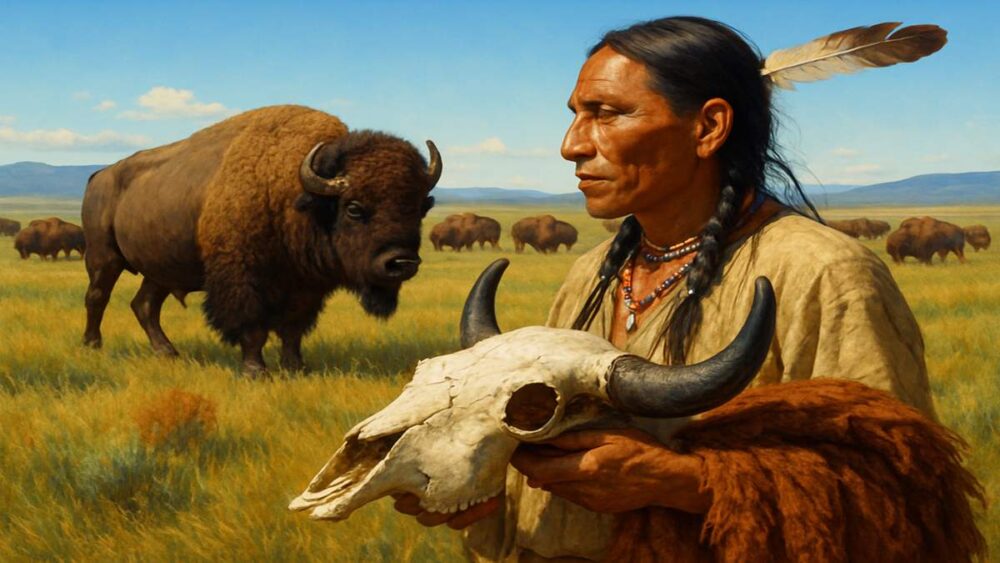
Imagine an era where a single animal sustained entire communities, providing not just food, but the very foundation of life. Welcome to the Bison Era. The American buffalo, or bison, was not only essential but central to the Plains Indians’ way of life. Astonishingly, nearly every part of the bison served a purpose, reflecting a deep respect and understanding of nature.
Why the Bison Was More Than Just Dinner
Let’s kick things off with the meal, because everyone appreciates a good hearty dish. Of course, bison meat was the main staple. But it wasn’t just cooked and eaten. It was crafted into pemmican, a nutritious mix of meat, fat, and berries, perfect for long journeys and harsh winters.



But bison weren’t just there to fill stomachs. The heart, liver, and kidneys were considered delicacies and sometimes used in ceremonial contexts, reflecting their deeper spiritual significance beyond mere survival.
Cloaked in Buffalo: The Many Uses of Hide
If you’ve ever faced a biting winter, you’ll understand why bison hides were indispensable. The Plains Indians transformed hides into warm robes and durable tipi covers, providing essential protection against the elements. A well-constructed tipi could stand firm against fierce winds while being easily dismantled for travel.
-
Original price was: $24.95.$14.95Current price is: $14.95.Select options This product has multiple variants. The options may be chosen on the product page
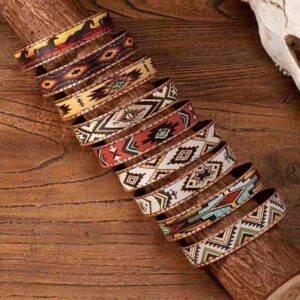


Cloaks made from the hides weren’t just about functionality. The hides were intricately decorated, often telling stories of the tribe or individual accomplishments, turning each garment into a personal narrative and work of art.
The Surprising Flexibility of Bones and Horns
Throw away any conventional ideas about bones being cumbersome. In the hands of the Plains tribes, bison bones became invaluable tools. They shaped them into needles, awls, and even weapons. Bone crafting was not just a skill; it was a bridge between nature and necessity.
Horn was no less vital. It was used to create spoons, cups, and even headgear, displaying how the tribes innovatively pushed the boundaries of utility. The ceremonial use of horns added layers of cultural and spiritual depth as well.
Everyday Magic: Turning Bison Parts into Practical Items
People say you shouldn’t waste anything, and the Plains Indians brought this philosophy to life. The thick bison sinew? An excellent material for bowstrings and thread. Strong, durable, and multifunctional. The stomach lining? Perfect for carrying water or melting snow. Truly, nothing was left to squander.
They also turned the bison’s bladder into a practical canteen. These water carriers were lightweight and remarkably efficient. It’s fascinating how such innovation arose out of necessity, a creative spark ignited by the will to thrive.
The Grassland Engineers
Managing to hunt these massive creatures was no small feat. Using strategic techniques like the buffalo jump, entire herds were driven off cliffs, ensuring maximum yield with limited manpower. It required both courage and coordination, showcasing a profound understanding of collective problem-solving.
But it wasn’t just about hunting. The tribes also engaged in controlled burns to manage grasslands, promoting the growth of plants favored by bison. In this way, they were early conservationists, ensuring the sustainability of their food source.
Buffalo: A Spiritual and Cultural Icon
The profound connection between the Plains tribes and the bison transcended the physical realm. Bison held significant roles in spiritual practices and cultural traditions. The buffalo dance, for instance, was not merely a ritual but a powerful communication with the spiritual world, invoking gratitude and seeking guidance.
Each successful hunt was seen as a gift from the spirits, fostering a relationship based on reverence rather than dominance. The tribes nurtured a symbiotic relationship with the land and its creatures, a lesson in stewardship still relevant today.
Reflecting on the Legacy of the Bison Era
Though the heyday of the bison and Plains Indians’ rich relationship has passed, their legacy endures. It serves as a testament to human ingenuity and deep respect for the environment, illustrating how necessity can drive innovation in remarkable ways.
In these stories of the bison, we find more than historical trivia. We glimpse lessons in sustainability, community, and creativity. It’s a reminder of our interconnectedness with nature and the resourcefulness inherent in respecting the world that sustains us. When you look at a bison today, you’re not just seeing an animal. You’re seeing history, culture, and the enduring spirit of a people.