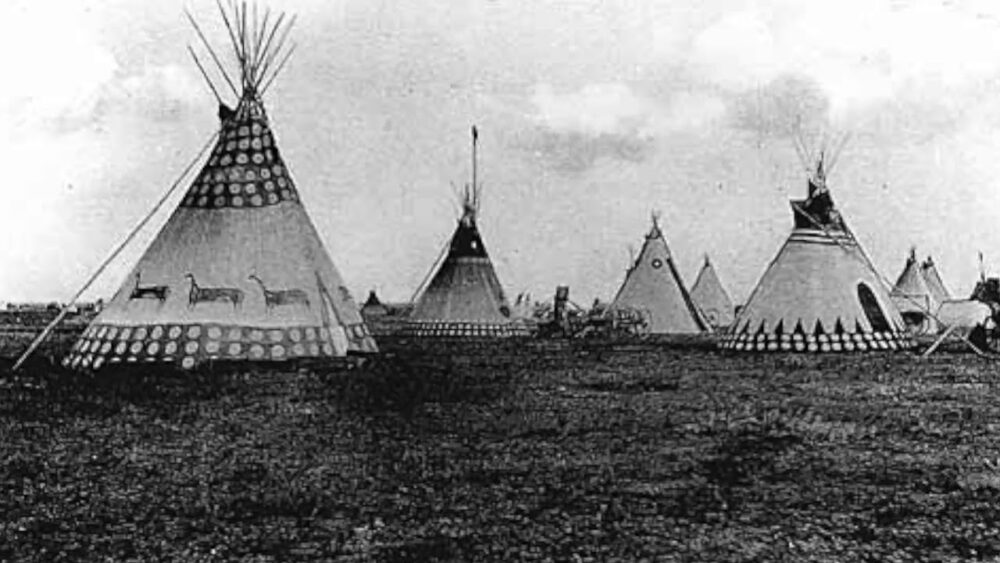
Exploring Montana’s Diverse Tribes and Their Unique Teepee Traditions
The rich history of Montana’s tribes reveals a unique way of life that contrasts sharply with modern society. While contemporary life often revolves around technology and financial concerns, Native American tribes focused on survival and harmony with nature. The buffalo played a crucial role, providing not just sustenance but also materials for their homes, notably the teepee. Teepees were essential for their nomadic lifestyle, made from buffalo hides and designed for easy setup and mobility.
Montana hosts a diverse set of tribes, each with distinct traditions surrounding the teepee. In total, there are seven federal reservations home to eleven tribes, underscoring the importance of recognizing the diversity among native peoples. For instance, the Blackfeet, referred to as the ‘Nitsitapii’ or ‘Real People’, constructed their teepees to welcome the morning sun, showcasing their connection to the elements and the importance of spirituality.


The Crow tribe, known for their unique approach to teepee construction, uses a four-pole base system. Each pole represents seasons or significant aspects of their culture, and they traditionally decorate their teepees with paintings and symbols carrying deep meanings. Like many tribes, women played a vital role in managing the teepee and maintaining its positive environment, further exemplifying the communal aspect of tribal life.
The Northern Cheyenne also exhibit unique teepee designs with a three-pole base system that alters the structure’s height. Their design reflects practical considerations, such as wind and snow, showing an adaptive approach to environmental challenges. The intricate smoke flap designs and oval-shaped doorways add to the individuality of each teepee while highlighting the cultural significance of these structures.

Within the Fort Peck reservation, the Sioux and Assiniboine tribes maintain their own distinctive teepee traditions, each influencing and shaping the other. For example, the Assiniboine face their teepees to the south in honor of their deceased. The Sioux, recognized for their vibrant decorations, have a deep historical connection to the teepee, a word derived from their language, symbolizing ‘living in’ and maintaining a link to their pastoral roots.
As modern times progress, many tribes, such as the Little Shell Chippewa, continue to uphold their teepee traditions. With many opting for lighter materials like canvas, the role of the teepee persists not only as a home but also as a cultural symbol used in ceremonies and gatherings. This enduring aspect of teepee culture reflects the adaptability and resilience of Montana’s Native American peoples, who continue to honor their rich heritage.