Exploring the Legacy and Survival of North America’s Iconic Bison
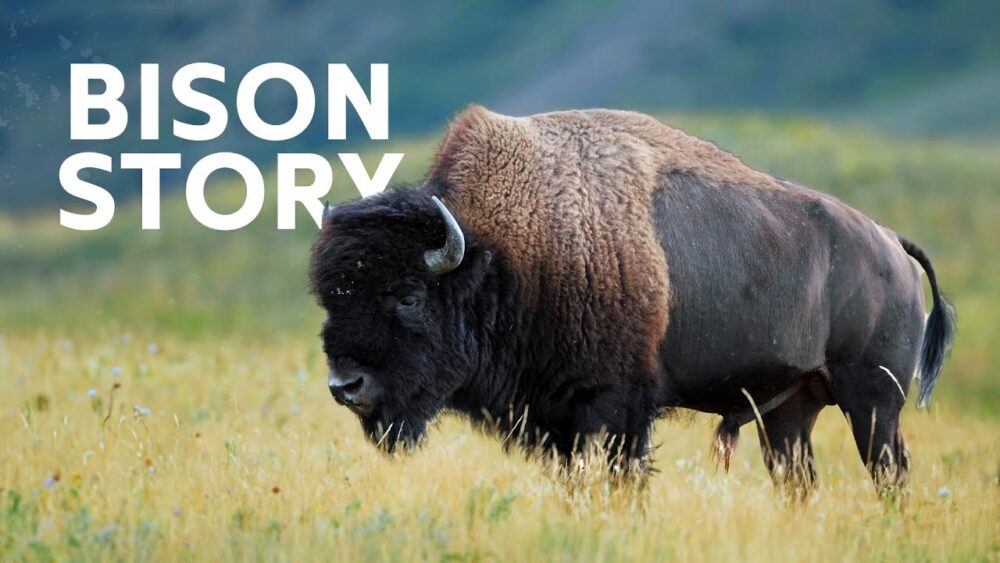
The buffalo have roamed North America long before humans arrived, showcasing their resilience and capability to adapt to harsh conditions. Known for facing storms head-on, these intelligent creatures symbolize the wild expanses of the continent. The relationship between bison and Native Americans is profound, highlighting a mutual dependency that has existed for thousands of years.
As the population of bison drastically fell from around 50 million to fewer than a thousand by the late 19th century, many ponder if their restoration is possible. Human intervention, primarily hunting and habitat destruction, has made coexistence challenging. The dynamic of land ownership and the question of who truly belongs here complicates the conversation about conserving such a significant species.
-
Price range: $49.95 through $59.95Select options This product has multiple variants. The options may be chosen on the product page


Historically, bison played a crucial role in Native American culture and economy, serving as a vital resource for food, clothing, and tools. The bison jump technique showcases innovative hunting practices that allowed Plains people to survive in the harsh environment. Throughout centuries, bison evolved alongside the Native Americans, forming an integral part of their identity and economy.
With the arrival of Euro-Americans and industrial expansion, bison faced unprecedented threats. The advent of the railroad facilitated mass hunting, leading to a systematic decline of bison populations purely for profit. This tragic reduction was not merely about wildlife management but was also tied to a larger agenda of political power and land control.



The decline of the bison had profound implications for Native American tribes, as they relied on this animal for their livelihoods. Treaties once guaranteed their right to hunt in exchange for peace but eventually became meaningless as bison numbers plummeted. The resulting displacement from their traditional ways of life pushed Indigenous people into a reservation system, dramatically altering their existence.
Today, the symbolism of the bison represents not just a piece of history but also a call for conservation and respect towards nature. Recognizing the interdependence of humans and bison is essential for future generations. By embracing the lessons learned from the past, society can work towards preserving these magnificent animals, encapsulating the rich heritage they embody.