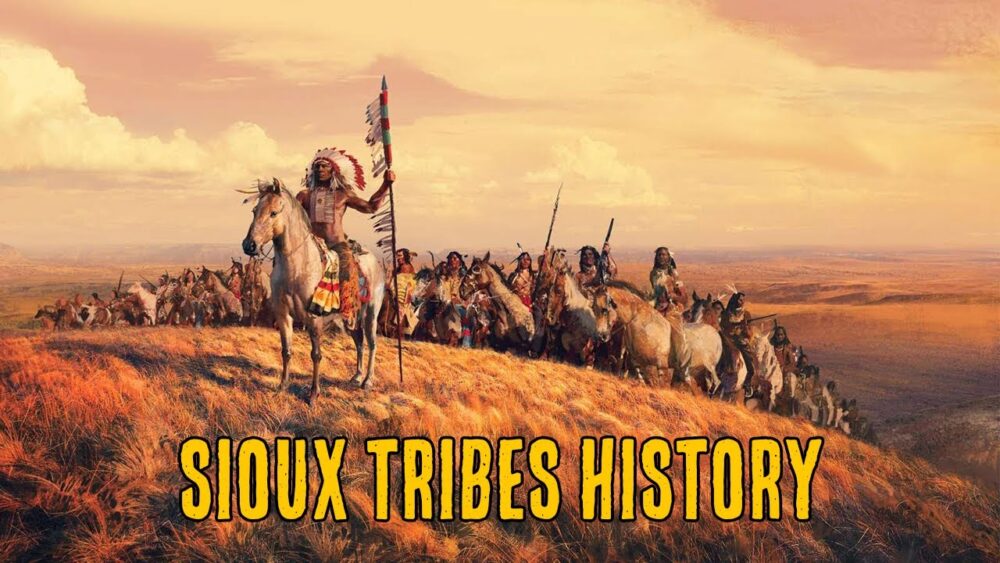
Exploring the Rich History of Sioux Tribes: The Legacy of Lakota, Dakota, and Nakota Nations
The Sioux are one of the largest and oldest Native American tribes in North America, with origins tracing back 2,000 to 3,000 years. They inhabited a vast territory that spanned thousands of square miles, establishing themselves as a prominent and influential group in American history. Their ancestral roots likely began in the central Mississippi Valley, eventually migrating to areas like Minnesota around 800 AD.
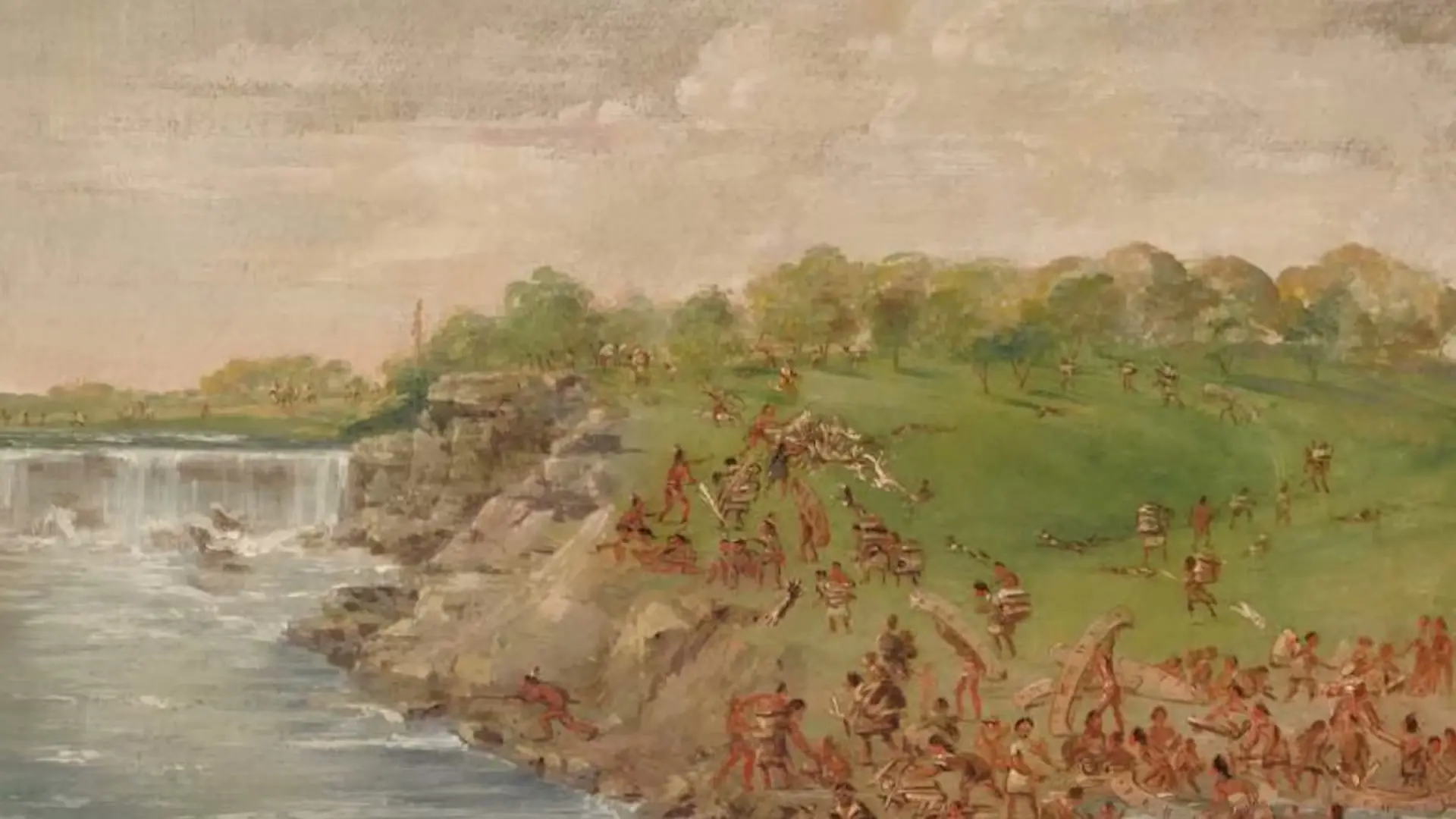
By the 1300s, the Sioux adopted the cultural practices of a northern tribal society, forming what is known as the seven council fires. This structure organized them into seven distinct bands based on kinship, dialect, and geography. The three main subdivisions of the Sioux nation—the Lakota, Nakota, and Dakota—continue to maintain their own languages and cultural practices to this day.




Central to Sioux culture is a profound respect for nature and a belief in the interconnectedness of all living things. They view animals, plants, and even spiritual entities as relatives, demonstrating their deep reverence for the environment. The figure of the white buffalo calf woman plays a vital role in their spiritual teachings, offering guidance on living harmoniously and introducing seven sacred rights.
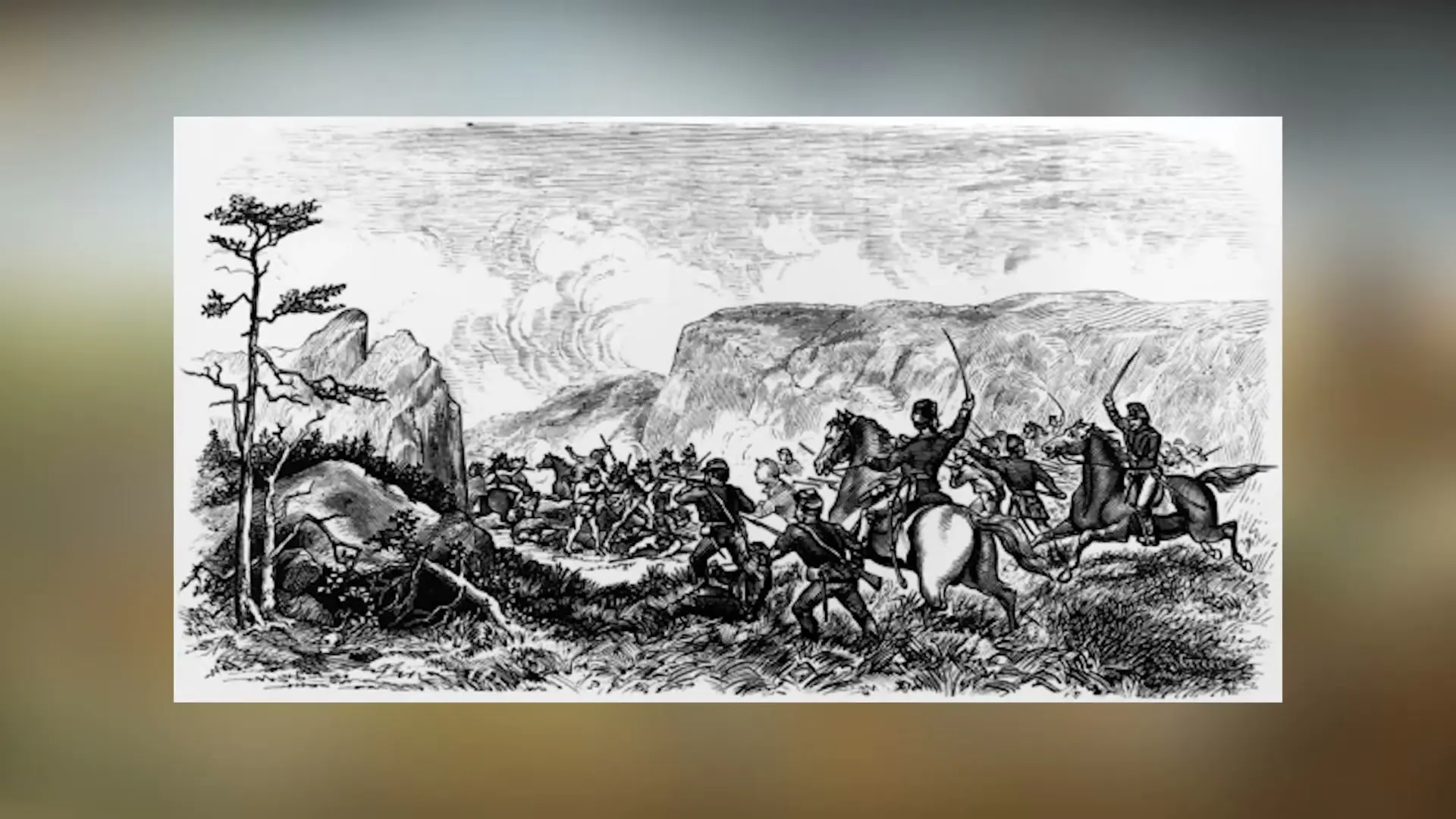
Historically, the Sioux lived in extended family groups within camps, fostering a strong sense of community. Responsibilities were divided along gender lines, with men focusing on hunting and warfare while women gathered resources and managed households. Social structures allowed for various familial arrangements, with high-status individuals maintaining multiple marriages, reflecting the community’s diverse cultural fabric.
-
Original price was: $19.95.$9.95Current price is: $9.95.Select options This product has multiple variants. The options may be chosen on the product page




The Sioux’s early interactions with European settlers were complex, particularly regarding trade relationships with the French and the Ojiway. Initially, alliances were formed that benefitted both parties, but tensions grew over time due to competition and conflict. The Sioux-Ojibwa War that erupted was one of the longest rivalries in North American history, significantly affecting trade and territorial control.
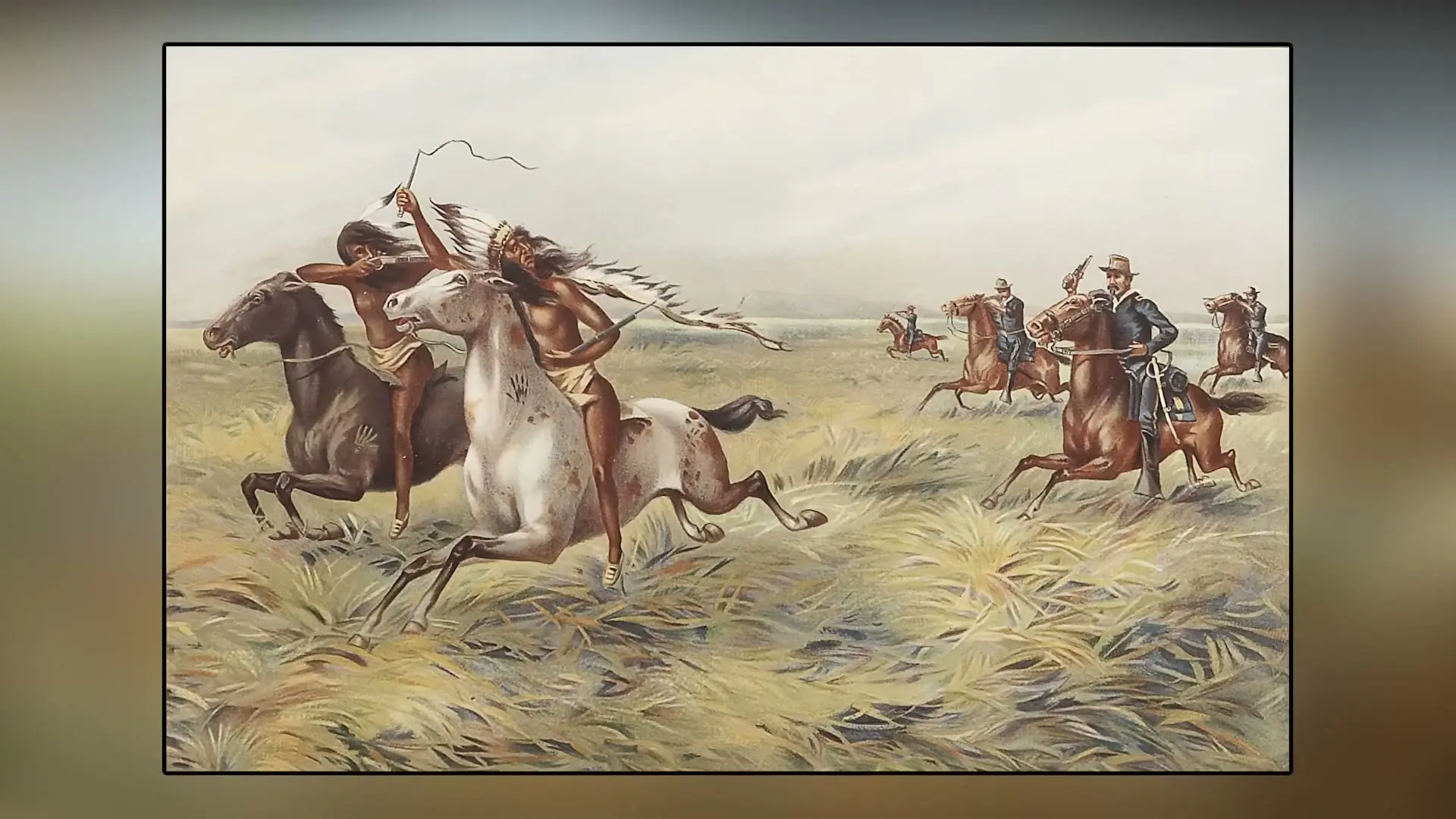
As the colonial frontier expanded, the Sioux faced numerous challenges and conflicts with settlers and the U.S. government. Incidents like the Fort Laramie Treaty and violent confrontations, such as the largest mass execution in American history, illustrate the depths of the struggles they endured. Despite these adversities, the Sioux continue to persevere, maintaining their cultural identity and historical significance.