
How Horses Transformed the Great Plains: A Transportation Revolution Unveiled
The Arrival That Changed Everything
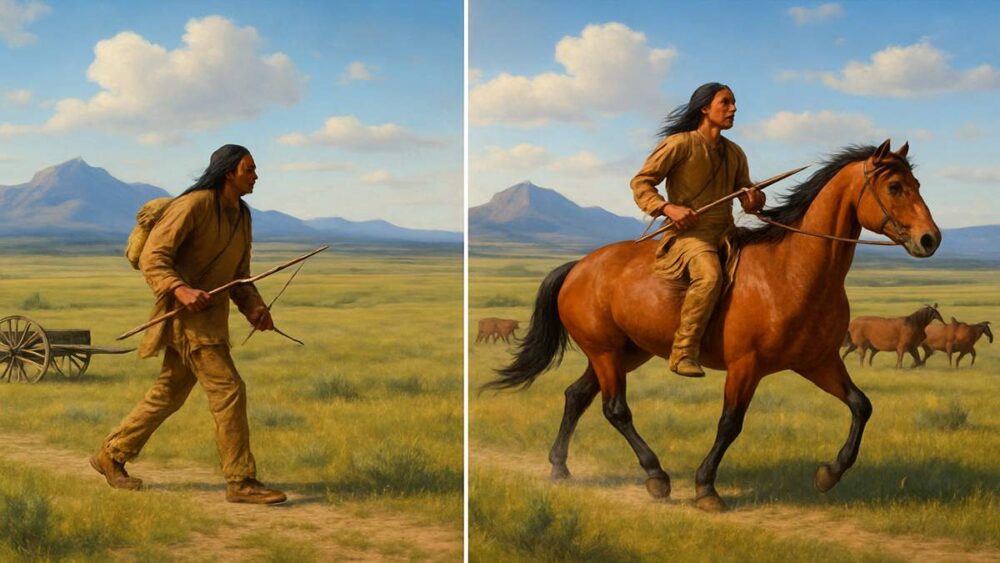
Once upon a time, a majestic animal arrived on North American soil, taking the lands by storm and all but rewriting the history of its native inhabitants. It wasn’t a new animal, but it was an unfamiliar surprise. The reverberations of the horse’s arrival in the early 16th century were nothing short of a revolution for the indigenous peoples of the Great Plains.
A New Symbiosis: People and Horses
The horse’s introduction wasn’t simply about transportation. It sparked a vibrant partnership between human and animal. Imagine a world where your everyday travel involved only foot or canoe. Then, suddenly, you could traverse wider landscapes more swiftly than before.




Horses quickly became entwined with the very fabric of daily life for Plains tribes like the Cheyenne, Comanche, and Sioux. These cultures evolved as horse societies and their lifestyles, warfare tactics, and hunting methods transformed.
Speed and Efficiency in Bison Hunts
Before horses, bison hunts were arduous and uncertain ventures. On foot, hunters relied on stealth and created clever strategies to lure herds into traps. But with horses? Everything changed.


The horse allowed large groups of hunters to effectively chase and encircle herds, making bison hunts faster and more productive. These mighty hunts could now not only sustain larger communities but also foster trade with neighboring tribes.
The Rise of the Warrior Equestrian
Horseback riding added new dimensions to tribal warfare. With increased mobility, Plains tribes became feared raiders and defenders. A mounted warrior could cover great distances swiftly, leading to rapid assaults and quick retreats.
- Elite Warriors: Skills in riding and combat on horseback became the mark of an elite warrior.
- Oral Traditions: Heroic stories and songs celebrated these equestrian feats, enriching their cultural traditions.
- Political Influence: Success in battle could elevate a leader’s status and impact a tribe’s influence.
Social Structures on the Move
The dynamics of social life evolved hand-in-hand with horsemanship. Horses contributed to wealth and status within tribes, often determining one’s standing in community hierarchies. A horse-rich individual held power and often assumed a leadership role.
Families started measuring wealth in terms of horse herds, leading to fascinating shifts in social order and familial alliances. Paint a picture of dusty grasslands speckled with grazing herds—each a symbol of prosperity and a catalyst for competition.
Trade and Cultural Exchange
Trade routes transformed with the horse’s arrival. Plains tribes could easily travel and trade with distant groups, exchanging not just goods but also ideas, spiritual practices, and technologies.
This flourishing of exchange brought an expansive network of communication and collaboration across what seemed like boundless territories.
- Intertribal Trade: Horses helped cement relationships through marriage exchanges and peace treaties.
- New Markets: Increased mobility introduced tribes to new goods like Spanish metal tools and woven fabrics.
Horses of Legend and Spirit
Horses weren’t just practical assets; they are revered and mythologized in many Native cultures. Each tribe has its own spiritual stories and rituals that celebrate the horse’s spirit, emphasizing its interconnectedness with humans.
It’s not just about feet galloping against the plains; it’s the essence of freedom, strength, and vitality tied to their life ways.
With spotifically painted ponies and adorned manes, these animals found their way into ritual dances and artistic depictions, ensuring their place not only on the earth of the plains but in the heart of the people.
Legacy Left in Hoofprints
Today, the courage and flexibility demonstrated by these First Peoples accepting and mastering the horse stands as a profound example of human adaptation and resourcefulness. Entire cultures transformed where once only grasses grew.
By embracing the horse, Plains tribes changed the course of their history and altered the face of North America. This transportation revolution, rather than a mere chapter in history, is a continuing story of resilience and heart—a legacy still living and breathing, with hoofbeats echoing through the past and into our future.