Mastering the Art of Setting Up Tipis: A Comprehensive Guide
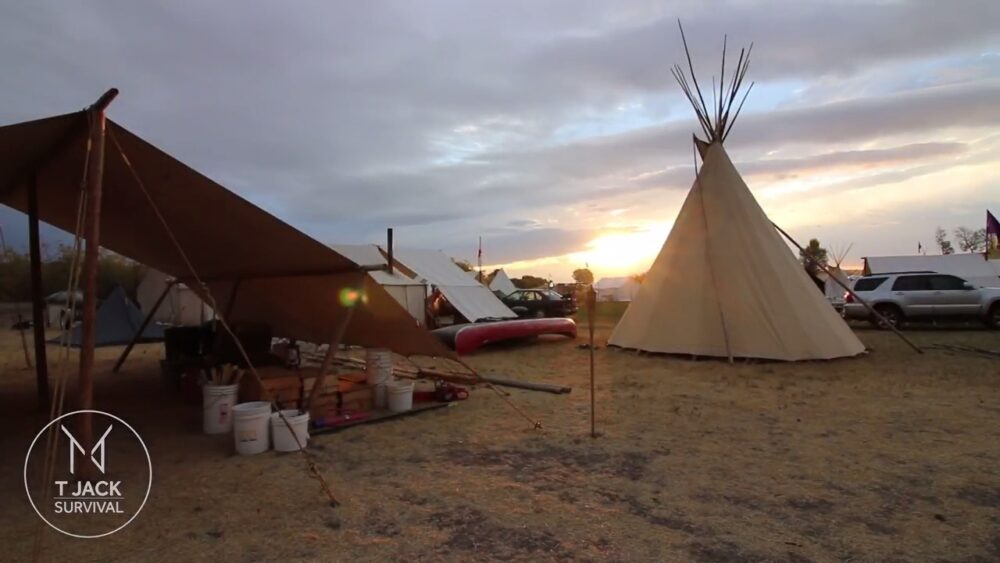
In this insightful video, the speaker shares personal experiences and tips for setting up a tipi. With several setups under their belt, they offer practical advice on the process, emphasizing simplicity over lengthy instructional videos. The narration highlights key steps to quickly erect a tipi, focusing on key techniques like using clove hitches to secure the poles effectively.
The speaker recommends utilizing a video from nomatic TPS for detailed guidance, especially if you plan to use the structure long-term. For a quick assembly, they walk through a streamlined method that can be completed in as little as thirty to forty-five minutes. This hands-on approach demystifies the setup process for newcomers, reducing fears associated with tipi assembly.



One of the unique features discussed is the lightweight nature of the poles used in the tipi construction. They suggest that while these poles may appear bulky, they are manageable, weighing roughly ten pounds each. The materials, such as lodge pole pine, further enhance the structure’s resilience, making them ideal for both temporary and more extended stays.
The video also delves into traditional tipi manufacturing, showcasing a leather-backed tipi representing historical designs. The guest discusses the significance of lodge pole and how its properties contribute to a robust and lightweight structure. This segment provides a glimpse into the heritage of tipi building, aligning the present practices with historical roots.



Further details highlight the importance of stakes in securing the tipi down, focusing on the types of wood traditionally used. Proper hammering techniques using a wooden mallet are emphasized to preserve the stakes’ integrity. This practical knowledge enhances the viewer’s understanding of optimal setup techniques and longevity of the structure.
Toward the end, insights about the cultural significance of tipis reveal their adaptation and evolution among various tribes. With a focus on adapting to different environments, the discussion connects the tipi’s role in history to its practical design and usage. This rich context offers viewers a deeper appreciation for what a tipi represents beyond just a shelter.