Understanding Federal Recognition: The Struggle of Indigenous Tribes in America
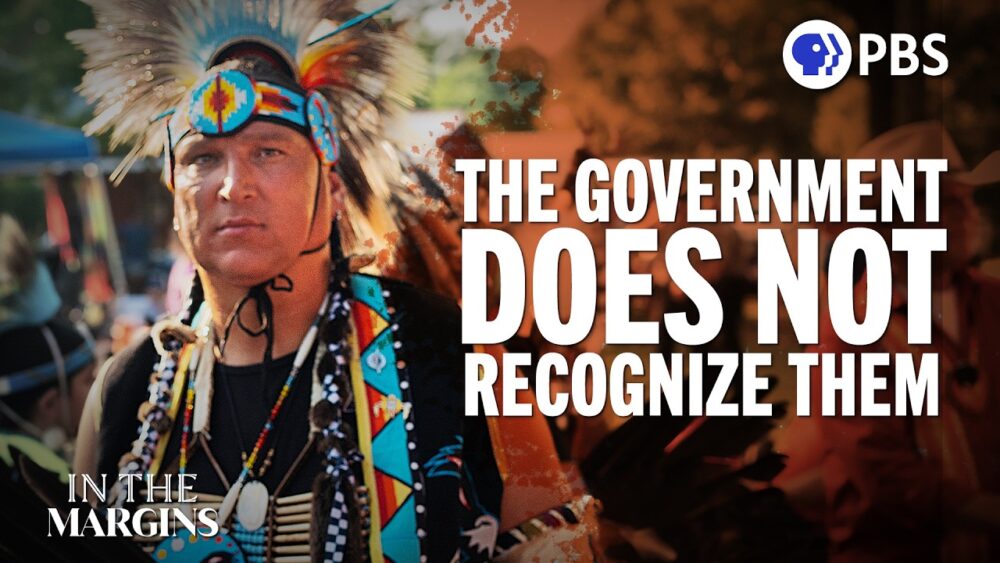
The fight for federal recognition by Indigenous tribes is a long-standing issue that many people remain unaware of. Hollywood imagery and stereotypes have misrepresented Native American governance, leading to misconceptions about their historical and modern realities. Contrary to popular belief, many tribes possess robust governing bodies addressing contemporary challenges, one of the most significant being the pursuit of federal recognition.
Federal recognition by the U.S. government designates a Native tribe as a sovereign nation, akin to the status of states or countries. This recognition stems from a history of treaties and legislative actions, yet achieving this status proves to be a daunting task. Despite numerous petitions and lawsuits, many tribes, including the MOWA Band of Choctaw Indians, have struggled to obtain this vital recognition for decades.


The MOWA Band of Choctaw Indians exemplifies the challenges many non-federally recognized tribes face, actively seeking recognition through petitions and congressional bills—though often with little success. Recognition is essential as it grants tribes access to much-needed funding for healthcare, education, and economic development initiatives. Yet, the federal government’s complex recognition process has led to further disenfranchisement of numerous tribes across the United States.
Documentation requirements for federal recognition can be rigorous and unfair, demanding proof of lineage that often cannot be substantiated for tribes that have maintained their identities through oral histories. The Bureau of Indian Affairs (BIA) has established criteria that disadvantage tribes with rich oral traditions but scant written records. Additionally, the process of validation often takes years or even decades, showcasing the overwhelming burden of proof placed on these communities.



The historical legacy of policies such as the Indian Removal Act further complicates recognition efforts. Indigenous tribes like the MOWA Choctaw managed to remain in their ancestral lands, creating a unique identity that differs from tribes that were forcibly relocated. This distinct history has affected their capability to demonstrate lineage and validate their existence as a recognized tribe in the eyes of the federal government.
There have been recent developments regarding the BIA’s recognition processes, including proposals that may provide a path forward for many non-federally recognized tribes. While challenges persist, the MOWA Choctaw and other tribes continue to advocate for their sovereignty and recognition. It’s vital for society to understand the stories behind these ongoing struggles, as they are integral to the narrative of Indigenous peoples in America.